
Attachment Parenting and Baby Sleep: Why These Aren’t Opposites
Attachment-style parenting has been around for quite some time and has naturally woven its way into how many families choose to parent.
Even if you don’t have a label for your style of parenting, if you’re responsive to your baby’s needs, learning how they communicate with you, and thinking about how your routines and lifestyle can better support life with a tiny human - guess what, friend? You’re already practicing a flavor of attachment parenting - Responsive Parenting!
However, somewhere along the way, an internalized myth took hold in the attachment parenting world:
If you care deeply about attachment, you must accept chronic exhaustion.
Or worse:
If your baby sleeps well, you must have ignored their emotional needs.
Neither of these things is true.
Responsive parenting and healthy baby sleep are not opposing forces. In fact, when done thoughtfully and gently, they can support each other beautifully.
Let’s talk about why.
What Attachment Parenting Is Really About
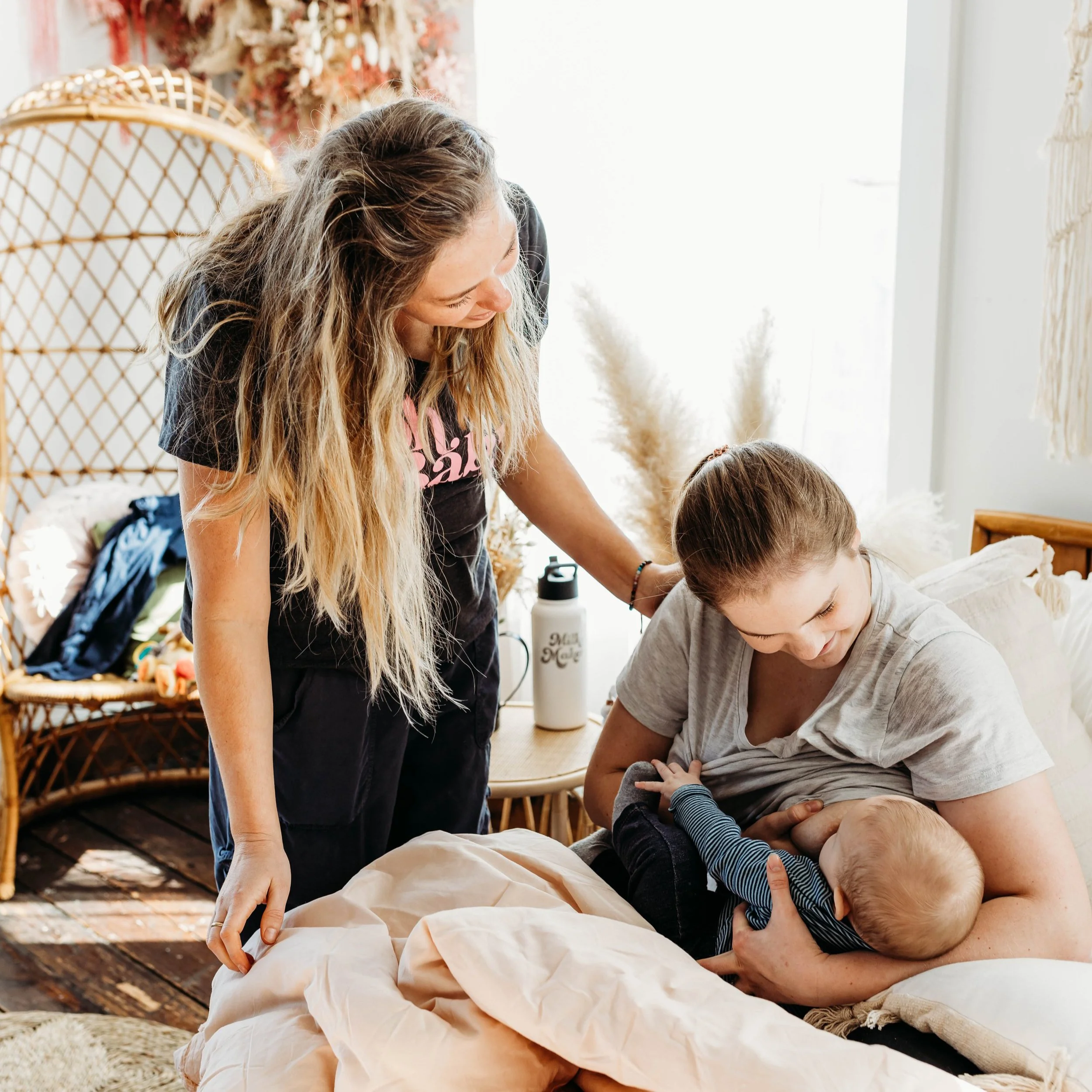
When most people hear the term “Attachment Parenting”, the assumption that comes to mind is usually “crunchy moms who bed share and make their own granola” (No judgement - I was she. She was me). And while there is definitely a part of a Venn diagram where that is true, at its core & foundation, attachment parenting is about, yep, you guessed it - responsiveness.
It’s about:
Noticing your baby’s cues
Responding consistently and predictably
Building trust through repeated, attuned care
It is not about martyrdom.
It is not about never sleeping.
And it is not about parents running on fumes for the sake of a philosophy.
Secure attachment is built through patterns over time, not through perfection or sleeplessness. In short: you can practice Attachment parenting and have your baby sleep in a separate space. You can be responsive to your baby and understand that you need sleep as well.
I know. Groundbreaking stuff.
Why Sleep Matters for Attachment (Yes, Really)
Sleep is not just a biological need, it’s a neurological one.
Well-rested babies tend to:
Regulate emotions more easily
Feed more effectively
Engage more during awake periods
Well-rested parents are more able to:
Respond patiently
Read cues accurately
Show up emotionally present instead of in survival mode
When everyone is chronically overtired, attachment doesn’t deepen - it strains.
Supporting sleep is not a betrayal of attachment. It’s often a repair.
Gentle Sleep Coaching: What It Is (and What It Isn’t)
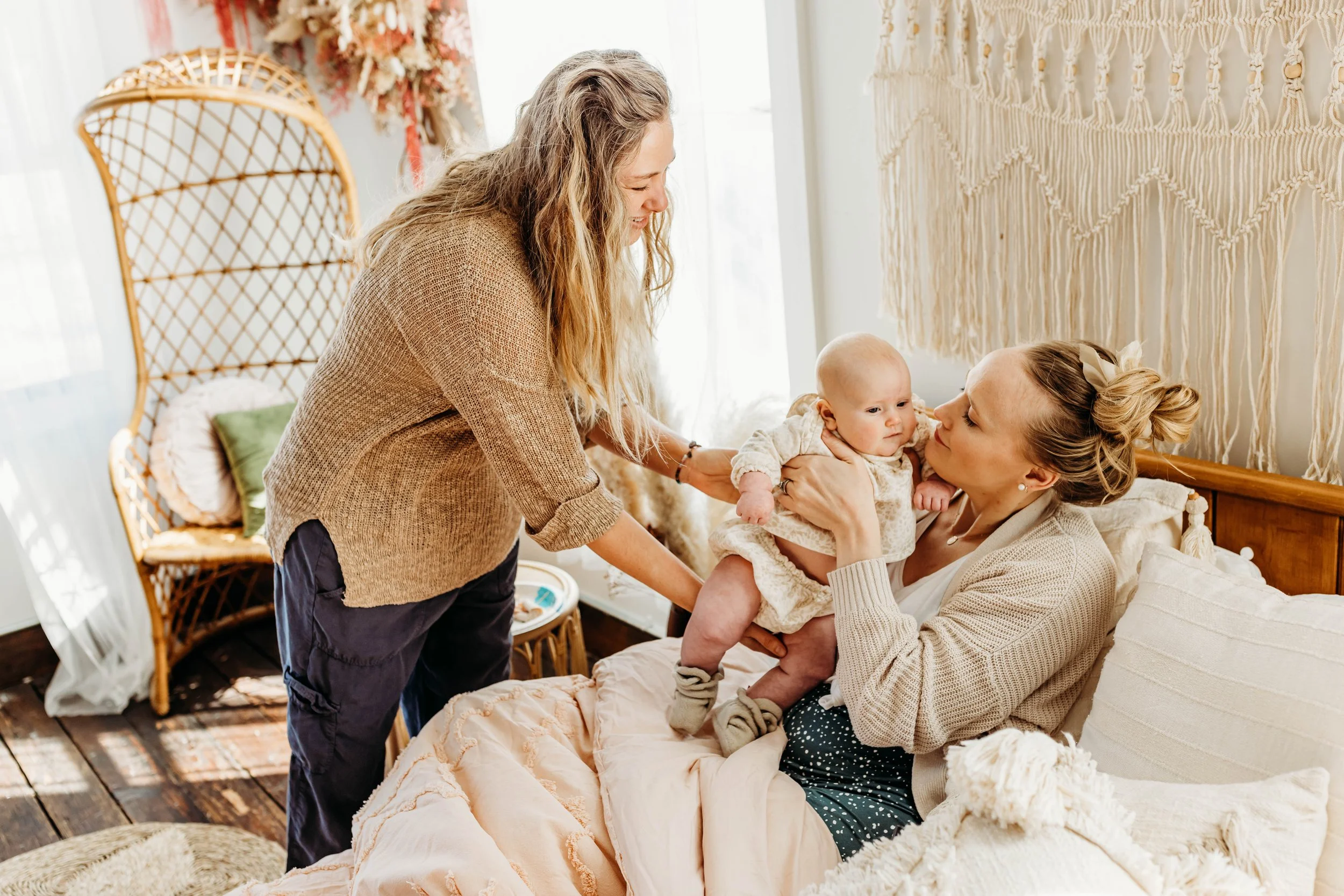
Gentle sleep coaching is not about forcing independence before a baby is ready.
It is about:
Understanding what’s developmentally appropriate
Supporting circadian rhythm and sleep pressure
Creating predictability and safety around sleep
Responding to a baby’s needs while encouraging longer stretches of rest
This might look like:
Gradual schedule adjustments
Layered soothing instead of abrupt withdrawal
Supporting a baby through transitions rather than leaving them to figure it out alone
There is no one-size-fits-all approach. While there are some really helpful resources in the infant sleep world, those sleep plans often need tweaking to fit a family just right. Don't get me wrong - they are helpful! But if they don’t work, it is no one’s fault - it’s simply that infant sleep is dynamic, family habits & routines all vary and the plans are made as a foundation to build from.
This is where having a real person - whether they come to your home to implement the sleep plan and coach you, or if they provide virtual support to help you troubleshoot along the way - comes in to play. Attachment-aligned sleep coaching adapts to your baby, your values, and your family system.
The Role of Overnight Support alongside Attachment-style Parenting
Here’s the truth many attachment-style parents don’t hear often enough:
You don’t have to be the only one responding to your baby in order for attachment to be secure.
Babies can form strong, healthy attachments with multiple caregivers.
Overnight postpartum support allows:
Babies to have their needs met promptly and lovingly
Parents to get restorative sleep without emotional guilt
Families to stabilize during an intense season
An experienced overnight caregiver (AKA a Postpartum Doula) isn’t replacing you - they’re supporting the entire system.
For many families, overnight newborn support is what makes gentle sleep strategies possible in the first place. Babies who have a secure attachment and know that they will be responded to, have lower cortisol levels and tend to take to gentle sleep coaching beautifully!
Attachment Is About the Long Game
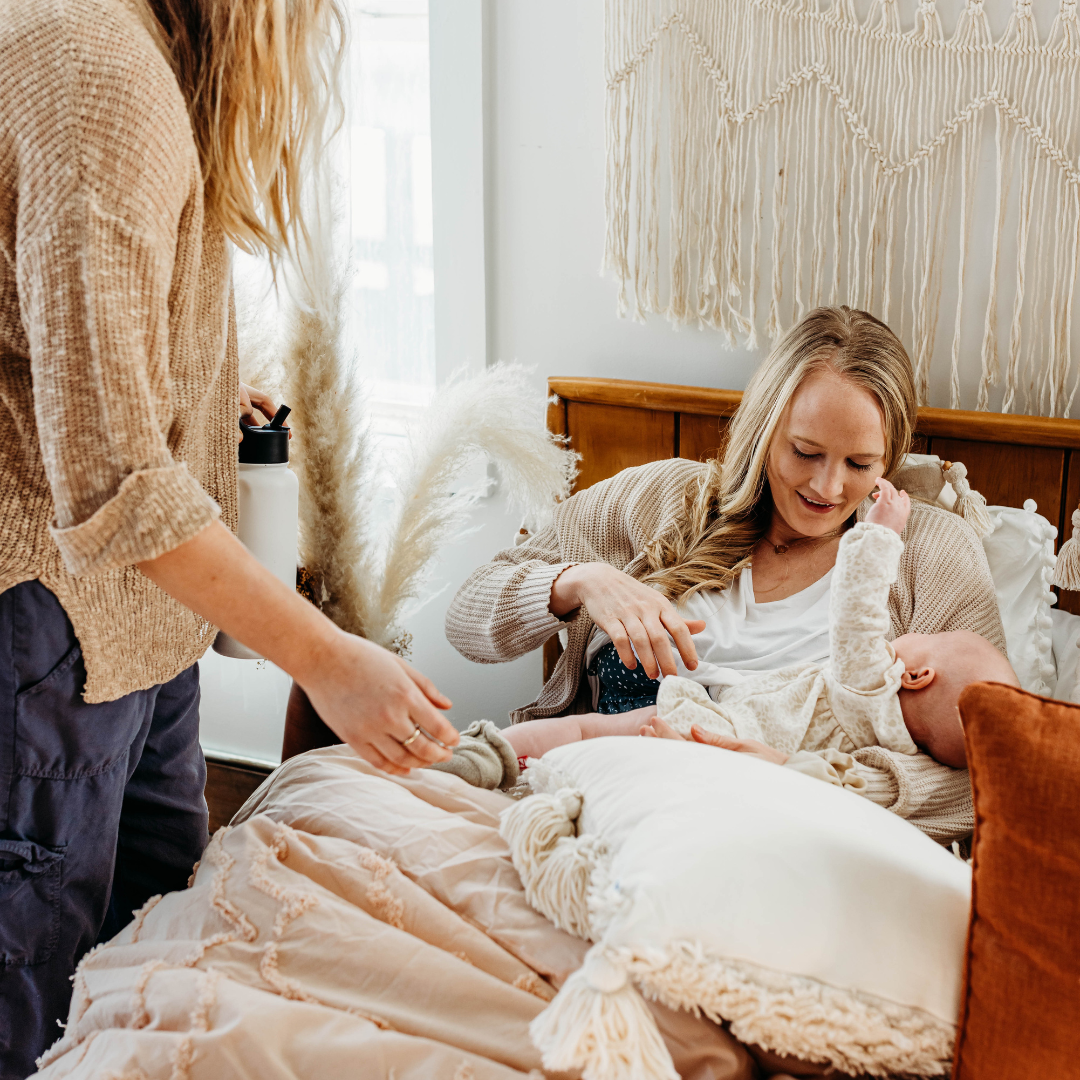
Secure attachment is built over months and years.
It’s built through:
Thousands of small, loving interactions
Repair after hard moments (hello, apologizing to your kiddos!)
Parents who are supported enough to stay regulated
Sometimes the most attachment-aligned choice is not “doing more,” but allowing help.
Here’s the beautiful news about practicing responsive parenting while also modeling healthy sleep (and honestly, healthy habits in general): the patterns you establish with your baby are meant to be sustainable. They’re practices you can carry forward for years to come.
Being a responsive parent to your two-week-old and being a responsive parent to your teenager are surprisingly similar - just with bigger feelings, louder opinions, and a slightly more feral edge 😅 (ask me how I know).
You Can Value Attachment and Rest
You don’t have to choose between:
Responding to your baby or sleeping
Gentle parenting or structure
Attachment or sustainability
You can have both.
And when families are supported emotionally, physically, and practically, everyone thrives.
Including the baby. 💛