Building a Breastfeeding-Friendly Baby Registry
Building a baby registry can be exciting but very overwhelming! Most registry checklists will suggest every gadget available but chances are you won’t even need most of them. There are so many products marketed to be “best for breastfeeding” so how do you know you’re actually getting what you need?
If you’re planning to breastfeed, your registry should support your breastfeeding journey rather than clutter up your house with tons of stuff that will end up gathering dust. Here are some basics to have on hand, a few things that can probably wait, and other items you likely don’t need at all. And read to the end for the things that are truly essential!

Basic Must Haves:
Nursing pads
You can expect that your breasts will leak from time to time, so having some nursing pads on hand is helpful. The biggest decision here is disposable or reusable. Disposable pads tend to be a bit more absorbent and are typically leak-proof since they have a plastic backing. Reusable pads are softer on your skin and more environmentally friendly since they’re washed and reused. Either option will work well, so it really comes down to your personal preference.
Burp cloths
Babies spit up. Sometimes a lot! There are plenty of fancy burp cloths on the market, but honestly, I still think flat-fold cloth diapers work best! They’re incredibly absorbent, easy to wash, and you can get a pack of ten for about $6!
Nipple cream
Breastfeeding should NOT be painful or uncomfortable, but occasionally it is, especially if something isn’t quite right with your baby’s latch. Nipple creams can soothe chapped skin or to help heal small cracks while you’re working to address the underlying issue. Look for one that contains beeswax since it tends to stay on your skin a bit longer instead of soaking in immediately.
A good nursing pillow
Hear me out… this is actually not a necessity at all. A regular couch or bed pillow can work just fine if you need a little extra support. Really, all your baby needs is the support of your arms and your body. However, in those early days, sometimes a nursing pillow can be a nice convenience. Look for one that is firm and flat and will sit close to your stomach. Some pillows are more rounded, which can cause your baby to roll into them and sink in the space between you and the pillow. Not exactly helpful when you’re both trying to learn!
A great water bottle and easy one-handed snacks
Inevitably each time you nurse, you’ll suddenly realize you’re very thirsty and/or hungry. A large water bottle with a straw and snacks you can eat with one hand (think nuts, cheese, protein bars, or trail mix) are always great things to keep nearby.
These Can Probably Wait:
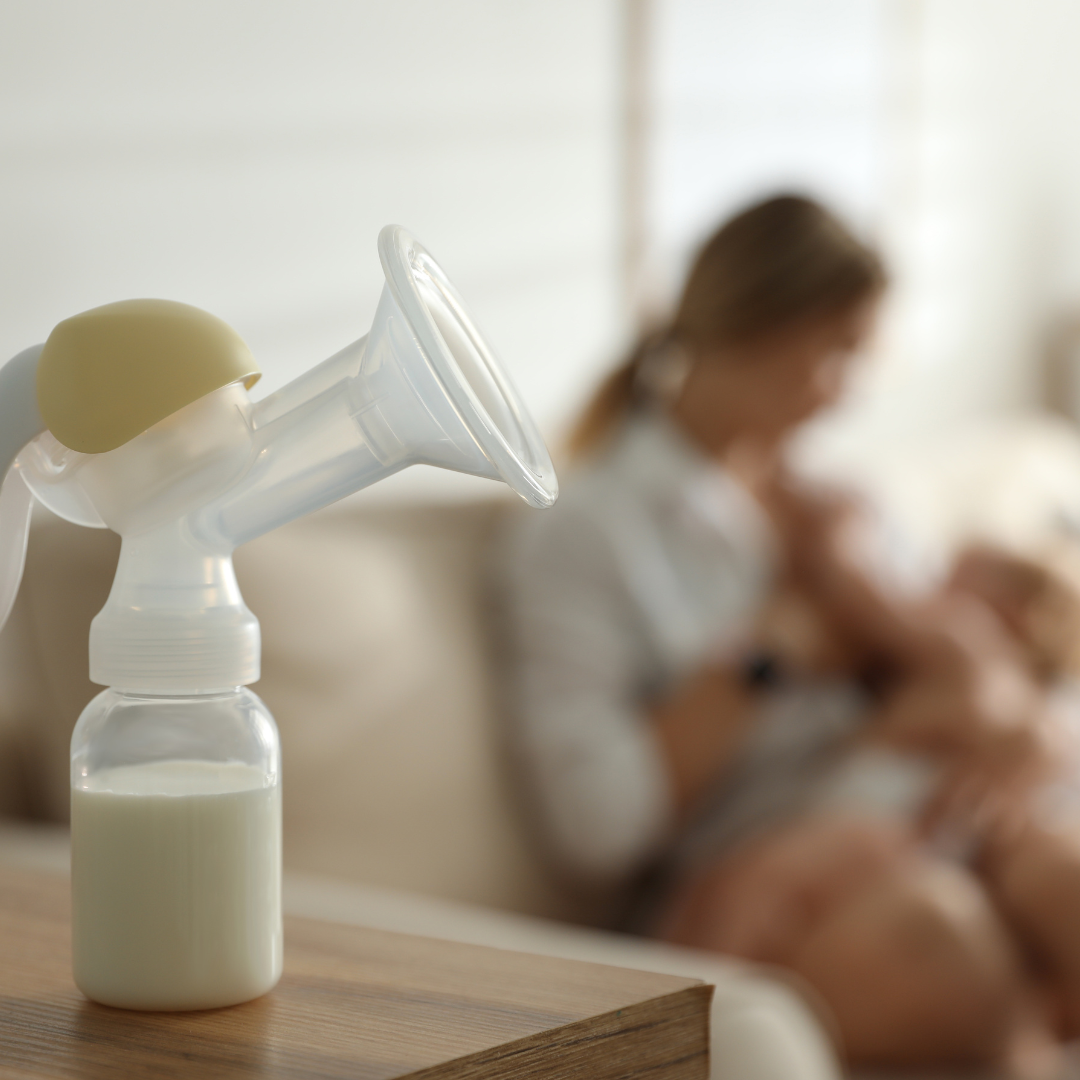
A breast pump
If you have traditional insurance, your plan may provide you with a pump at little or no cost. Unless you have a specific pump in mind that insurance doesn’t cover, or you don’t have traditional insurance, there’s usually no need to purchase one yourself.
Specialty bottles
Every baby has different needs and there’s no way to know what type of bottle your baby will prefer until they arrive. If you’d like to just have one or two on hand, look for slow flow nipples with a round shape and a gradual slope from tip to base rather than a narrow nipple on a wide base. And don’t feel like you need to buy the variety pack with eight to ten different types of bottles. Chances are you’ll never use most of them anyway.
Formula
If you plan on exclusively breastfeeding (or providing exclusive breastmilk), there’s no need to have formula on hand ahead of time. If supplementation becomes medically necessary, formula is readily available and can be purchased when needed. However, having it nearby and accessible has been shown to decrease rates of exclusive breastfeeding. If breastfeeding is your goal, setting yourself up for success may mean waiting to purchase formula until it’s truly needed.
Don’t Bother:
Bottle sterilizers
Good old soap and water work just fine! For most healthy babies, there’s no need to sterilize bottles or pump parts routinely. If you ever do need to sterilize them for any reason, you can simply just boil them in water for a few minutes.
Bottle warmers
These can grow mold surprisingly quickly. Instead, run some hot water into a cup and place the bottle inside to warm it up for a few minutes. Check it periodically to make sure it doesn’t get too warm, and you’re done.
Silicone milk collection devices
These aren’t terrible, they’re just not necessary for most families and aren’t always as easy to use as they seem. If you really want one, I would suggest a passive milk collector that sits inside your bra rather than one that suctions onto your breast. These are much kinder to your milk supply and your sanity.
Baby scale
There’s really no reason most families need a baby scale at home. The inexpensive ones aren’t super accurate and the accurate ones are super expensive. Most often, scales create anxiety rather than providing reassurance. If you are worried enough about your baby’s weight that you feel you need to have them weighed daily, contact your pediatrician or lactation consultant to discuss your concerns.
Absolute Essentials (Hint: these aren’t products!)
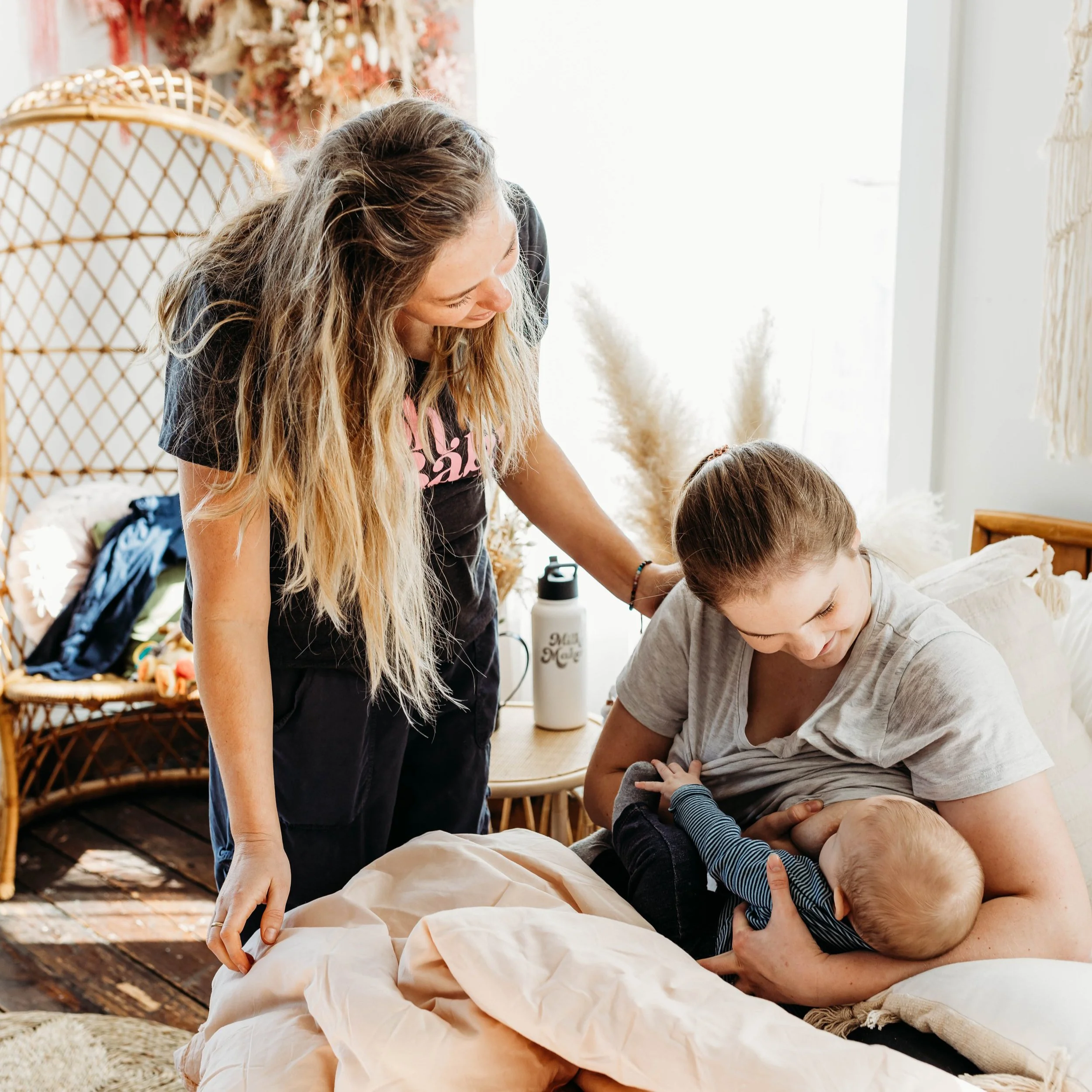
Prenatal breastfeeding support
Whether it’s a group class or a one-on-one prenatal consultation with an IBCLC, learning about the basics of breastfeeding and what to expect before baby arrives can make a huge difference. Think about all the work you’ve likely put into learning about your pregnancy, labor, and delivery even though those experiences only last a relatively short time. Breastfeeding may last months or even years! Do yourself a favor and prep now so you’re not scrambling at 2am trying to find answers on Google. A breastfeeding plan is just as important as a birth plan!
A Lactation Consultant on speed dial!!
The single most valuable thing you can have to support your breastfeeding journey isn’t a product at all. It’s having the phone number of a trusted IBCLC (International Board Certified Lactation Consultant) in your back pocket. A knowledgeable IBCLC can help you execute your breastfeeding plan, troubleshoot challenges, adjust your plan as needed, celebrate your wins, and help you navigate issues along the way. That kind of support is truly priceless!! Instead of adding another gadget to your registry, consider creating an “IBCLC fund” where friends and family can contribute money toward lactation care. (Pro tip: I offer a fantastic, comprehensive package on my website that includes a one-on-one prenatal consult as well as TWELVE weeks of postpartum lactation support! Learn more at https://www.lizslactation.com/prepare.html)
Breastfeeding isn’t really about having a perfect collection of products, it’s about having education, support, realistic expectations, and a few carefully chosen tools. In other words, it’s about building a support system, not just filling a shopping cart. Have more questions about what you really need (or don’t need)? I’d love to help!

Liz Levy, RN, BSN, IBCLC is a Lactation Consultant and owner of Lactation Liz with over ten years of experience. She helps families overcome feeding challenges by identifying the root cause and creating a clear, supportive plan so you can feed your baby with confidence and less stress. Through her concierge-style lactation packages, she provides consistent, individualized care focusing on the unique needs of her clients. More information can be found at lizslactation.com or follow @lactationliz on social media.