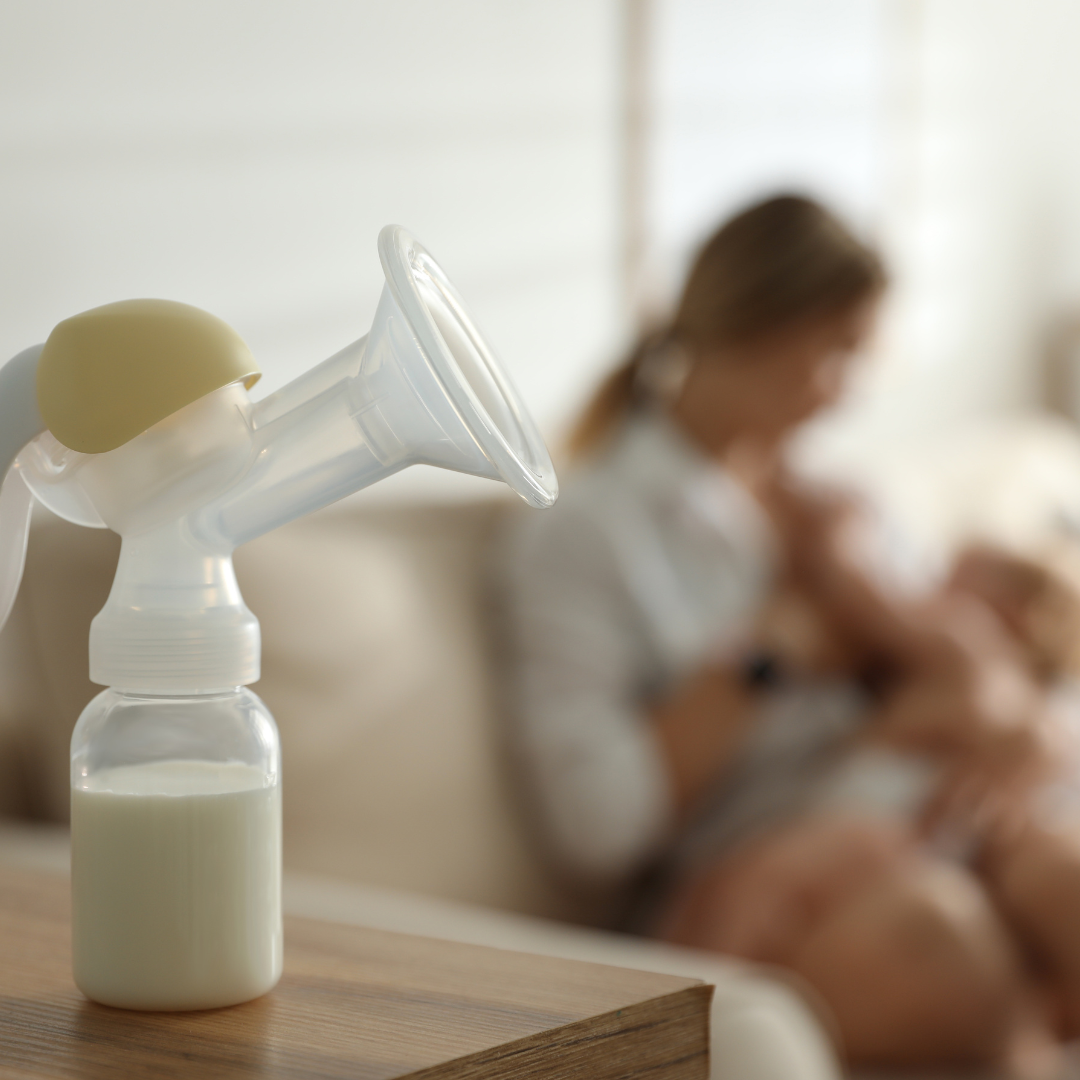
Stressing About Leave, Freezer Stashes, and Let Downs - An IBCLC's Guide to Going Back to Work

As a lactation consultant and a nurse in Kansas City, I receive many questions about how to be ready to leave your baby when you go back to work.
I’d like to think the major reason people ask me these questions is because of my expertise as a board certified lactation consultant and registered nurse; but I really think it has to do with the fact that I am a mom to three boys.
I returned to work about three months postpartum with each of my boys.
For my first, I was still on Night Shift at the hospital; for my second, it was the fall of 2020 and a loss had happened for our family; and with my third I was on weekend option with our oldest boys both under the age of five. I had no idea what I was doing the first go around in 2018.
I remember looking at Kelly Mom, and a few influencers I followed who were posting about going back to work. Mostly, I relied on what I had heard from my patients at the hospital, and in conversation with my coworkers on how pumping and bottle feeding went for their breastfed babies. I also don’t think I did a lot of preparation for my return to work because I did not want to jinx myself that I was going to still be breastfeeding at three months—the reason behind that is probably rooted and what I wrote about over on my blog.
Somehow, everything with pumping went well — I know that’s not a typical case. My years in the lactation field have exposed me to many different situations regarding breastfeeding, supplementing, exclusively bottle-feeding with formula or breastmilk, and of course, pump troubleshooting. As a passionate educator, I get so excited to work through each families, feeding situation and preferences. Frequently, it is my job to be a piece of a family’s puzzle; that is caring for their child, and I never take that for less than what it is—a privilege.
I also like to yap, if you can’t tell! So let’s wrap this up, with my biggest tips for returning to work for my patients, friends, and family:
Feed your baby however you want to!
This can mean you exclusively breastfeed for 2 to 4 weeks, and then introduce a weekly bottle. This could be that you always do bottles overnight and pump in place of those feedings. Or any kind of combination in between! My biggest goal as Lactation Consultant is for the family to be healthy, happy and enjoy the brief season of parenthood in the newborn stages.
If you are going back to work, or being separated from your babe more than your occasional date night or appointment; introduce a bottle by one month of age.
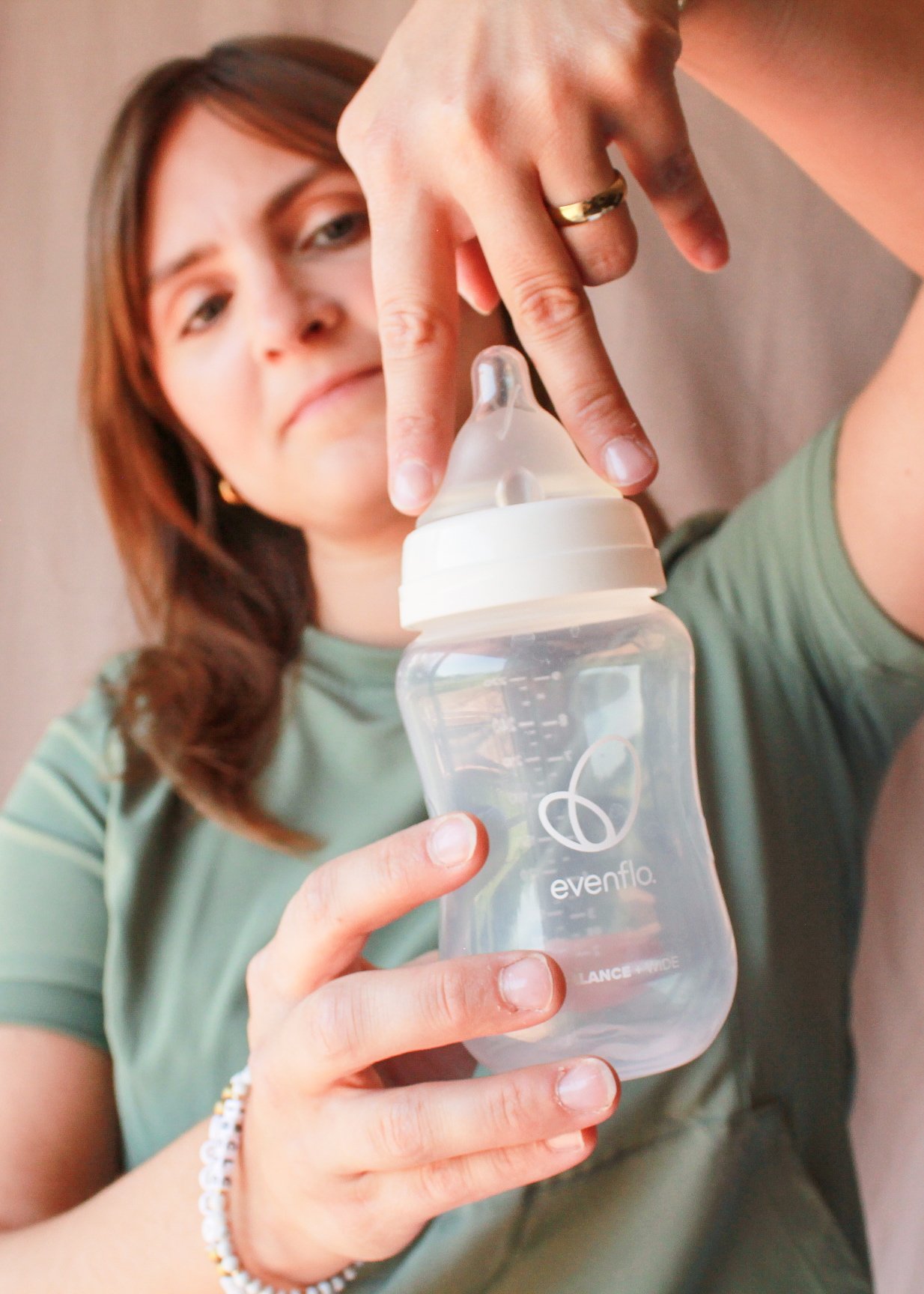
I absolutely love wide mouth bottles, with a gradual taper on the nipple, much like the Evenflo balance, and Lansinoh bottles (we sell on our shop website!). I am a fan of the first bottle being a snack, so about 30 to 40 minutes after a full feeding with mom. And partner can offer this while mom pumps for a few minutes or takes a much needed second away to herself.🩷
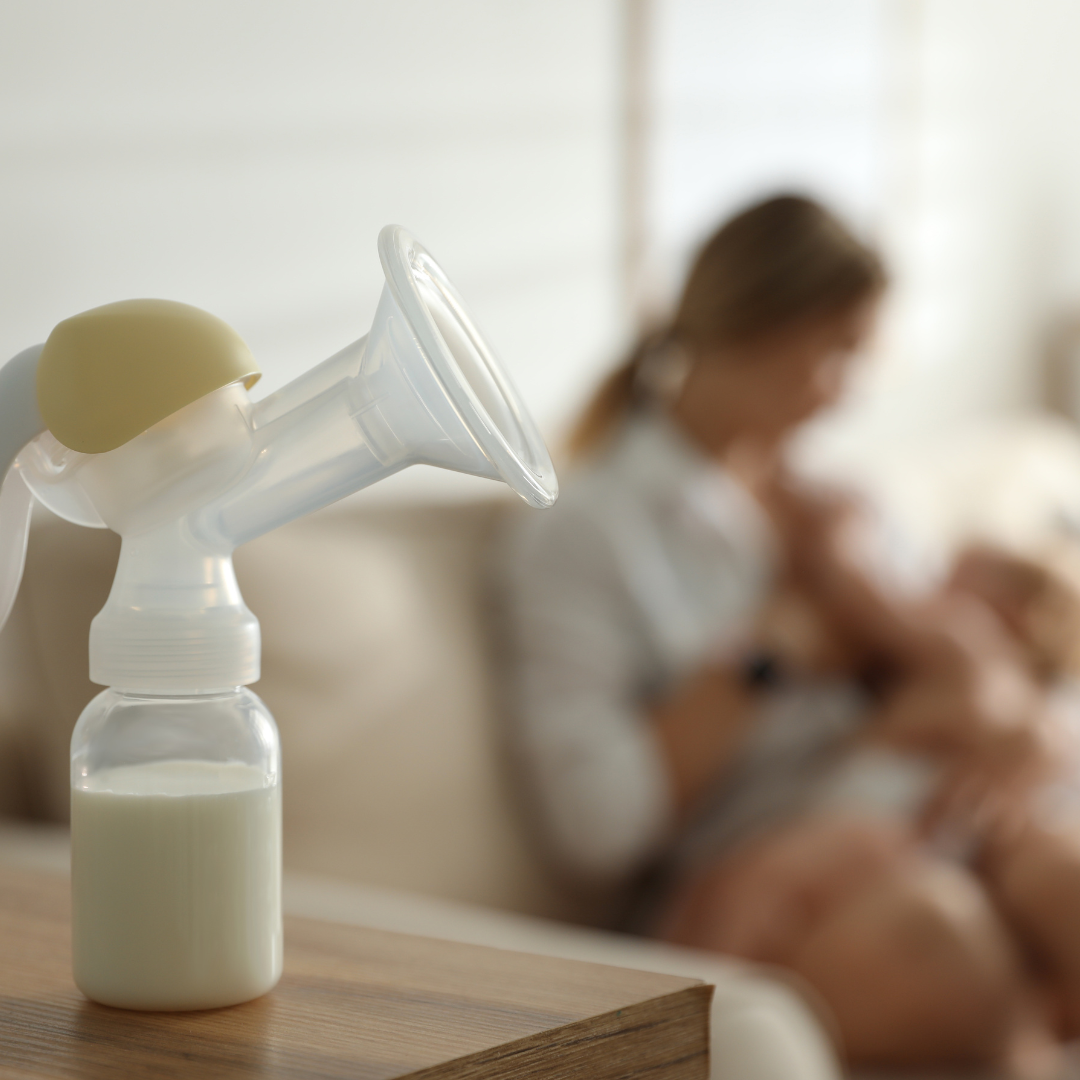
Prepare to have anywhere from 2 to 3 days worth of expressed breastmilk (EBM) for the first week back to work.
This is about 30 to 40 ounces, every baby takes different bottle volumes depending on when mom has to return to work. One thing is for sure, I am definitely a fan of pumping in 2 ounce bags at the beginning, I feel like this helps with a lot of liquid gold waste. 🫣
Use milk collectors!
Not a pump, but something that passively collects milk during a feeding, or that you can hand express into. This may help collect enough milk over the first few weeks for baby’s first bottle! There’s no guarantee how many milliliters you will collect in a day, but that is milk you did not have to sit hooked up to a pump for! And I am all for that!
If you want to add in a daily pumping session, or a couple of times a week pumping session to create that 30 to 40 ounce EBM pot of gold, I recommend adding in this pumping session after baby’s first morning feed.
This is their first feed that they stay awake for, usually it is about 6 to 8 AM. I would not pump for more than 10 minutes, because you’re just trying to add in an additional milk removal when your prolactin is still relatively high. Prolactin is the hormone that helps your brain and body connect, and produce milk! Typically, I advise my patients to feed baby, and about 30 minutes to an hour later, pump both breasts for about 10 minutes.
Returning to work can either be exciting, sad, or anything in between. There’s no wrong way to feel about it coming to a close.
My ultimate goal for my patients and our community: ensure that moms feel supported in however they feed their little one and experience parenthood. At The Gentle Nest Co., I have curated breast pump parts, infant feeding items, pacifiers, and more on the basis of my experience as a mom and IBCLC. Our shop exists to be breastfeeding/pumping/bottle-feeding parents’ go-to. I am so grateful to provide this shop, and next day delivery to local customers, both as a healthcare professional and a mom.

Meet Katie Winkler
MSN, RN, IBCLC, CPN & Owner of the Gentle Nest Co.
The Gentle Nest Co. was born out of a desire to support families during one of the most tender times of life. As a lactation professional in the Kansas City, MO area, I saw how many parents struggled to find quality breast pump parts when they needed them most. I created The Gentle Nest to make access easier—so every parent can focus more on nurturing their baby and less on searching for supplies.
I’m a mom to three young boys, and my own breastfeeding and pumping journeys have shaped the heart behind this company. As a Registered Nurse for nine years and an International Board Certified Lactation Consultant (IBCLC) for the past two, I’ve supported countless families through their feeding experiences. Pumping has been part of each of my own breastfeeding journeys, and I’ve had the privilege of helping parents troubleshoot their pumps, understand their equipment, and find their correct flange fit.
I’m passionate about education and always seeking answers for my clients. My goal is to make The Gentle Nest Co. not just a shop, but a resource—a community built on support, trust, and understanding.