My Expectations Wrecked Me: An Honest Look at Motherhood from a Perinatal Mental Health Therapist
When I was 14, I decided that my primary goal in life was to be a stay-at-home-mom. And not just any SAHM. I had a very specific picture of the type of SAHM I’d be.
You see, I had grown up with a full-time working mom and was surrounded by other full-time working moms. I’d contribute some of this experience to growing up in Southern California where it’s very difficult to get by as a single income family. I’d also say that growing up in the 80s and 90s had something to do with it. We had moved out of the era when staying at home was the norm for women. Women were a strong and significant presence in the workforce. I was surrounded by moms who worked and, as far as I knew, staying at home with the kids was a thing of the past.
But then I met Debbie. Debbie was my friend’s mom, and she was a stay-at-home-mom. As far as I knew she was the first I’d met. Debbie sat and talked with me at her kitchen counter when I visited her house one afternoon after school. A kitchen decorated in cherries (a staple in 90s kitchen décor). And she offered me crackers and …get this…a spread. I had to ask, “what is ‘a spread?” She described the magic of a creamy cheese with herbs and spices that I could spread all over my crackers and take my afternoon snack to a new level.
At another time I learned that Debbie drove a red Volvo station wagon. I don’t really know the safety profile of a Volvo these days, but I remember that in the 90s a Volvo was known for being a very safe car. On top of the safety, I found out this Volvo station wagon had driven over 500,000 miles. Safety and durability. Wow.
I can’t exactly tell you why this all appealed to me so much at the age of 14. After all, I had been surrounded by full-time working moms and I was very into punk rock and skateboarding and this SAHM lifestyle didn’t exactly align with my surroundings. But something about this whole experience opened my mind to a new possibility. I could be a stay-at-home-mom who makes delicious snacks for her kids and their friends, who chats in the afternoon and who drives her kids around town in a safe and economical RED car. Oh, and don’t forget having an adorable kitchen.
From that point forward, I was going to be a mom. I was going to be a GREAT mom.
I had some ideas in mind of possible careers, but I didn’t really care that much about those ideas because my focus was becoming a mom. In college, when asked to introduce myself in class and state my major or career goals, I was always open about the fact that motherhood was my primary goal. So, when I got married at age 22, I assumed we would wait a couple of years, get settled, and then start having kids and I could stay home. And to make a very, very long story short, I had my first baby at age 34.
We started trying to conceive at age 25, around the same time many of our friends were having babies. We watched everyone around us get pregnant and have babies and then do it all over again. This went on for years. In the meantime, I was still holding out for this dreamy future I had imagined. I had gone to grad school and became a therapist and, for several years, I practiced therapy with children. I was certain that because I had such a strong desire to have children and because I was a therapist to children, I would be an excellent mom. I’m embarrassed to say now that I watched some of my friends parenting and I was confident I could do better.
Then it was finally my turn. In May of 2017 my older daughter was born, and I was finally a mom. Let the dream life begin.
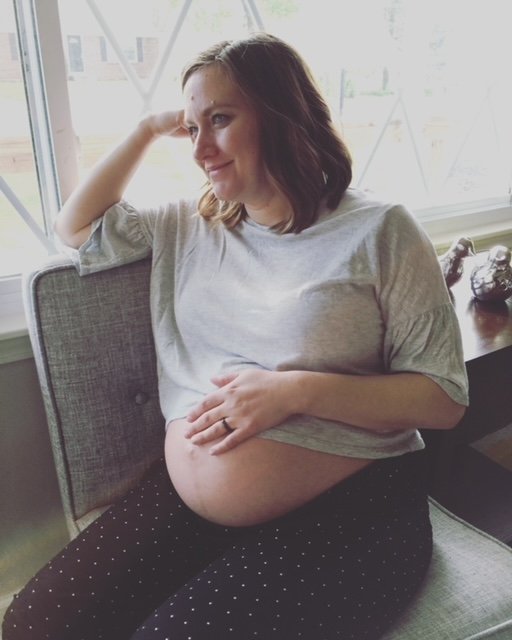
Except it was not a dream. It was perhaps anything but the dream I had envisioned. We had significant breastfeeding challenges, my daughter didn’t sleep well and I was exhausted. My mood tanked very quickly. I felt alone and ashamed. I thought it was up to me to get myself together and that I should simply be enjoying motherhood now that I finally had what I had always wanted. To add to my shame, we were not in a financial position for me to stay at home, so I was working part-time in my private practice as a therapist and part-time from home as a virtual assistant.
I did my best to “enjoy every moment” as they say, but I wasn’t enjoying much. I started many mornings with a sense of dread. I assumed that as a therapist I would recognize if I was experiencing postpartum depression, but the truth is, nobody ever told me what the signs might be. I didn’t even learn this in graduate school. So, I continued to try and muscle through the shame and sadness and overwhelm, just waiting to feel better.
When my daughter was 4 months old I joined MOPS (Mothers of Preschoolers – Now called MomCo). All the friends I had with babies were back in California and I was somewhat new to Kansas. This MOPS group was a literal lifesaver. I didn’t realize it at the time, but looking back I can see how connecting with other moms, twice a month, and developing these friendships with moms in a similar life stage, made a meaningful difference in my life.
Even so, it wasn’t until I was about 9 months postpartum that I realized I was experiencing postpartum depression and anxiety. I took a step back from being a virtual assistant from home, so I could be more present with my daughter and myself during those daytime hours when I wasn’t working in my private practice. I finally had the space to think about how I could better support myself during that time.
I went to Mama/Baby yoga. I went for lots of walks. I spent time with mom friends outside of designated MOPS meetings. I started eating regular meals again. I started sharing with others about how hard the first year had been. I started to feel human again.
When Spring arrived, along with my daughter’s first birthday, I looked back on the previous hear and thought “Good Lord. What just happened?” But it also lit a fire in me. As a therapist, and now as a mom who had survived postpartum depression and anxiety, I became determined to help other moms avoid or overcome these heartbreaking experiences.
I have learn precisely three bajillion things since that first year of motherhood, but I want to share just one of those things here: MY EXPECTATIONS WRECKED ME.
This is not self-blame, and it’s certainly not meant to minimize all the other contributing factors. There were many. I simply want to highlight that I had very high and very specific expectations of what motherhood would be like and what I would be like as a mother. I was wrong about most of it. The picture I had and the life was living were wildly different and I was overwhelmed by my disappointment with my life and with myself.
I see similar things happen again and again with new moms. The expectations they have on themselves and others leaves them in shame, anger, and often depressed and/or anxious.
Some might be tempted to think the antidote to this kind of disappointment would be to go into motherhood with the expectation that it will be terrible. I promise, this is not the answer. Instead, we need to approach motherhood with realistic expectations of ourselves, others, and our circumstances. Here are a few suggestions that might make a positive difference for you:
Lower your expectations around what you can accomplish in any given day.
The first 40 days, whenever possible, are best spent resting and connecting with baby. That’s literally it. Remember, you just housed and birthed a whole human and, if you are breastfeeding, your body is still sustaining that life. You and your body need that recovery time. After the first 40 days, set the bar low for what you can or “should” be doing. Keeping yourself and baby fed and rested is a real accomplishment.
Ask for and accept support.
You can’t do it all on your own and you don’t have to. This was a tough reality for me to accept. Others will likely offer you support, and it is wise to accept it. If people don’t offer, you can ask. I know this is a hard thing to do, but it’s okay to ask a friend or family member for help with meals or caring for the baby or cleaning the house or any other number of things.
Avoid comparison.
Comparing your life to the lives of others is never fruitful. I remember thinking that everyone else had things figured out and I was the only one floundering through each day. Since then, I’ve learned this to be entirely untrue. Nobody is doing it all. Nobody has it all together. What a relief. If we can see each other this way, instead of pulling away in shame and judgment, we can connect and support one another. It’s a beautiful thing.
Know that you will not parent perfectly.
Now more than ever parents have access to all the information they could ever want or need about parenting. Having some information is helpful. Having too much information is overwhelming and is making many parents anxious; worrying they will parent in a way that does irreparable damage to their kids. I’m here to tell you that it’s good to want to parent thoughtfully and intentionally. You will also make mistakes. It’s inevitable. You will make mistakes that hurt your children because you are human and because they are human. The key is how you respond to those mistakes. Finding what works well for you, your baby, and your family is the priority. When you make a mistake, you correct and adjust. When your kids are old enough, you apologize and try again. And when they see that you make mistakes and respond well, they see that they can make mistakes, too, and it will be okay.
Today I have a 9-year-old and a 6-year-old. I have never been a stay-at-home mom, I have never driven a red Volvo station wagon, I have never decorated my kitchen with cherries and I have never served my kid’s friends crackers with a spread. I have also made more parenting mistakes than I can count. But you know what? I have a really great life. I have a career I love. My kids are thriving. My marriage is strong. I have an amazing community. My life looks incredibly different from what I had expected from the ages of 14 to 34 and I’m okay with that.
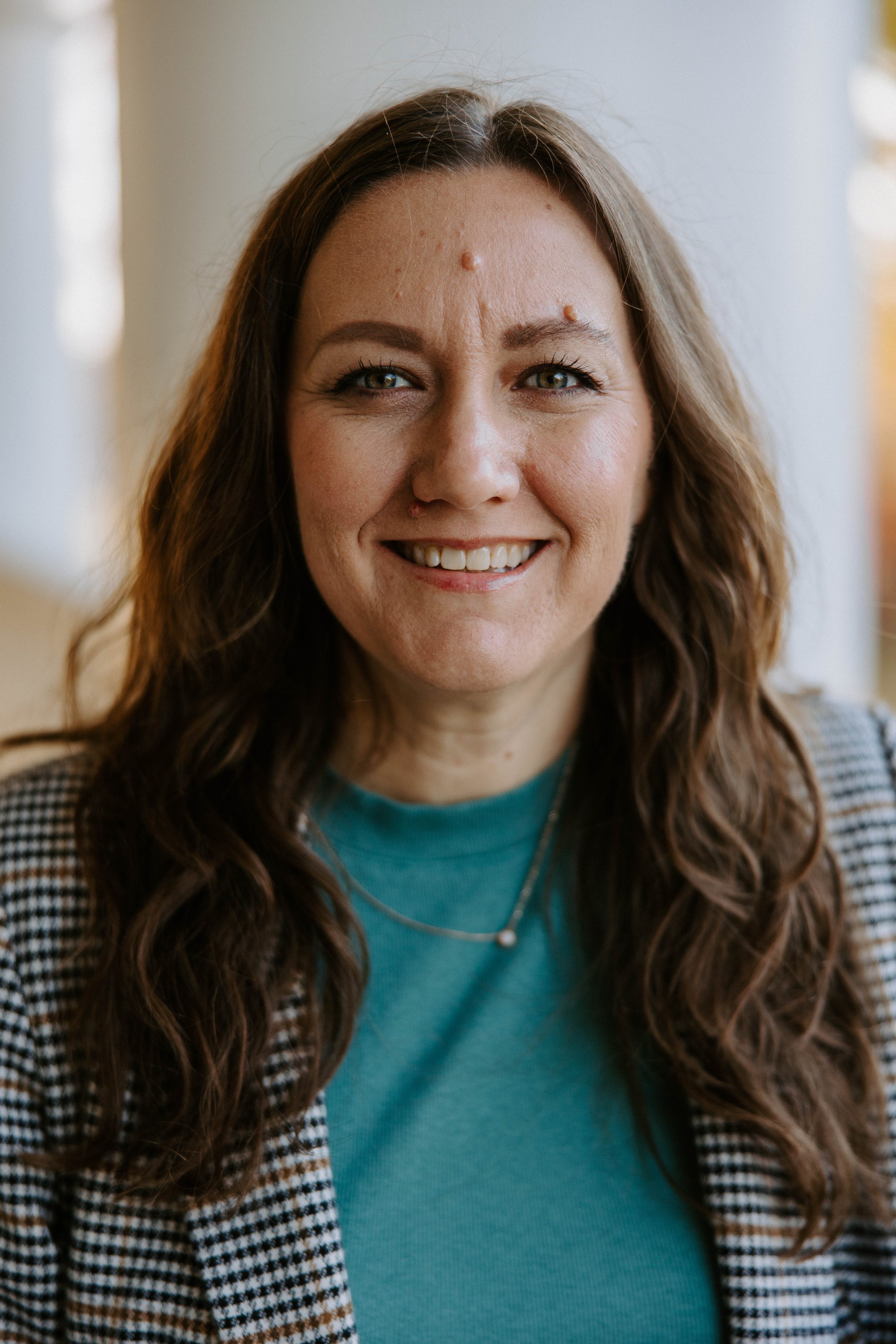
Stephanie Risinger is a girl mom, a wife, a speaker, and perinatal mental health therapist. Stephanie is also a survivor of postpartum depression and anxiety. She makes it her mission to provide the tools and support needed for moms to thrive from the time they are trying to conceive, through postpartum and beyond. Find out more at stephanierisinger.com